
"Is boosting safe?" isn't one question. It's three, and most boosting sites answer all three with the same paragraph: encrypted, protected, trusted, guaranteed. None of those words say what happens if something goes wrong, because none of them are describing a mechanism — they're describing a feeling the copy wants you to have.
The three real questions are separate, and each has a different answer:
- Account risk — can the person playing on my account take it, misuse it, or get it banned?
- Payment risk — who sees my card details, and can the booster touch my money?
- Delivery risk — if the boost doesn't happen, or happens badly, do I get my money back?
This is what actually answers each one on Pairly — checked against the code that runs the order, not the marketing copy sitting next to it.
Key takeaways
- Your login is encrypted, visible only to your assigned booster, logged on every view, and permanently deleted from the database 24 hours after delivery — not just hidden.
- Every solo order runs with Offline Mode and a regional VPN on by default, at no extra cost — a real, always-on setting on the order, not a line in an FAQ.
- Your booster never touches your payment. Cards and PayPal go through the checkout provider directly; the order view a booster works from doesn't carry that data at all.
- Unstarted orders are refunded in full, and progress reported to you is counted from Riot's own match results — not typed in after the fact.
- Two-factor authentication has to come off for the handover window on any legitimate boosting service, Pairly included. That's disclosed upfront, not something you find out later.
What Actually Happens to Your Login
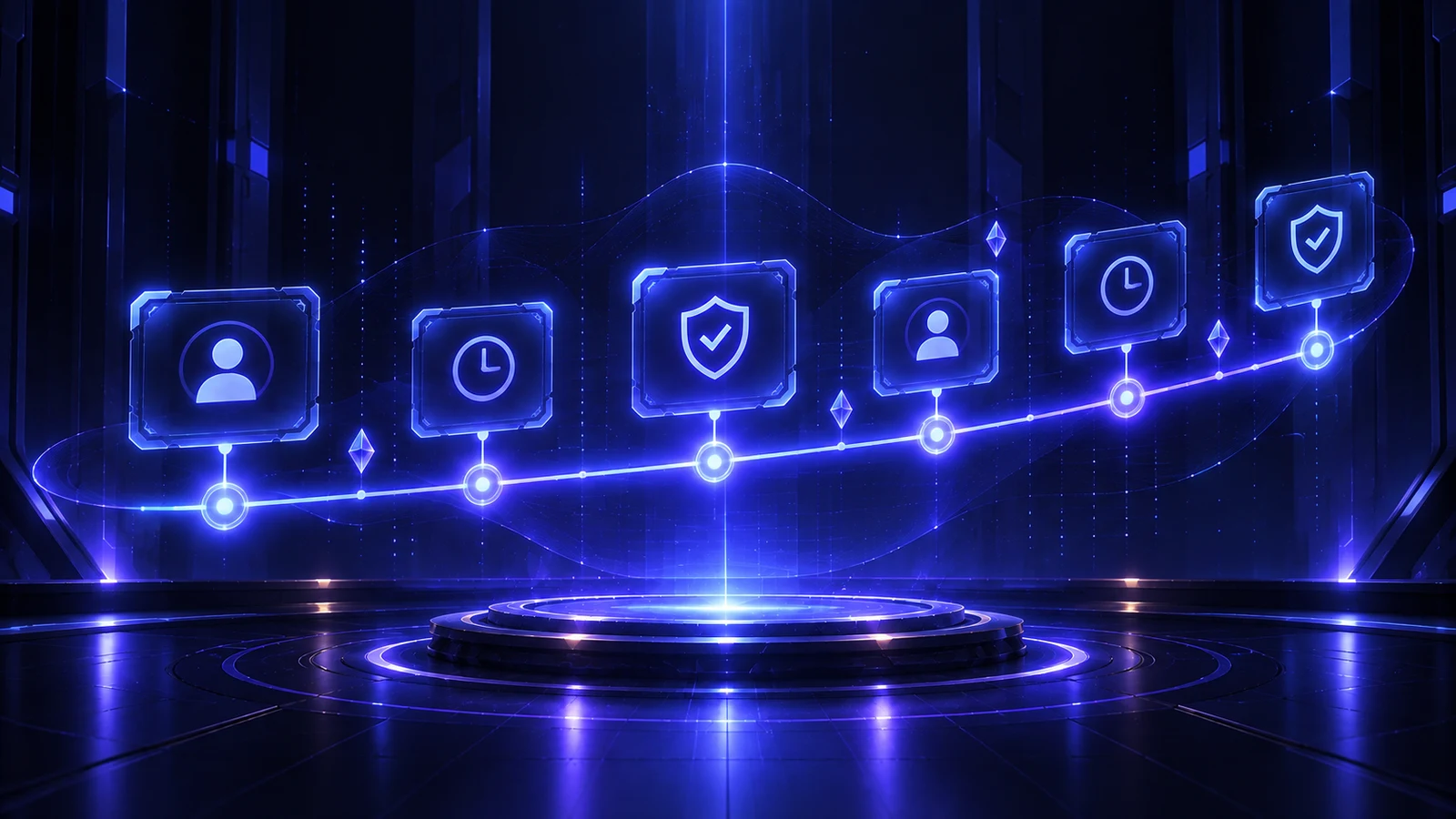
Here's the literal sequence, the same one your own order page shows once you check out:
The 24-hour delay isn't padding. It's the same window the order chat stays open for, so if a boost gets marked delivered and then needs a correction, there's still an account to correct. Deleting the instant an order completes would mean re-entering your password the moment something already went sideways. A day later, there's nothing stored to leak or misuse, because there's nothing left.
What survives the deletion is the record that access happened — who opened the login, and when — never the password itself.
That booster isn't anonymous, either. Every profile in Pairly's directory of verified boosters carries a confirmed peak rank, so the person briefly holding your account is someone you could have looked up before you ever checked out.
Offline Mode and the Regional VPN: What They Actually Do
Every boosting site on the market promises some version of "VPN-protected" and "appears offline." Most of them don't say what that means in practice, which is a fair thing to be skeptical of — a claim without a mechanism is just a sentence.
On Pairly, this isn't an upsell or a line in an FAQ. It's a setting attached to every solo order, on by default, at no extra cost: your account is set to appear offline for the length of the boost, and your booster connects through a regional endpoint matched to your own location rather than theirs. Your friends list never shows you mid-ranked-game on the wrong server, and the login isn't coming from somewhere your account has never logged in from before.

It's worth being precise about what this is and isn't. It's a service instruction the booster agrees to before the account is handed over — the acceptance is recorded against that specific order, with a version number, so support can answer "did they agree to this" with a record instead of a guess. What it is *not* is a monitored session: nobody is watching gameplay live, no chat is being logged, and a booster who breaks the agreement is caught by being on record as having accepted it, not by a system stopping them mid-game. That's an honest limit, not a hidden one — the same instruction is printed on the booster's own order board, in the same words.
Two-factor authentication is the one thing that has to come off, and this applies to any service that logs into your account rather than playing alongside you. A second device you control is, by design, the one thing that can lock a booster out mid-order — Riot's own 2FA article describes it as protecting sign-in specifically, which is exactly the mechanism a handover has to work around. It comes off for the handover window, and nothing stops you turning it back on the second the account is back in your hands. The warning is shown on the handover screen itself, not buried in a support article you'd only find after asking.
The same custody chain and default protections run on every Pairly order, not only League of Legends — the boost just gets configured differently for League Classic and Valorant runs.
Does Your Booster See Your Payment Details?
No. Checkout runs through Stripe or PayPal directly — you pay them, not your booster, and not a general Pairly account. Stripe is certified to PCI Service Provider Level 1, the highest tier in the payments industry, precisely so merchants like Pairly never need to touch or store raw card data in the first place. The order view a booster works from is built around the game, the rank target, and the add-ons on that order; it was never built to carry payment data, so there's nothing to expose there by omission. Coins earned back on a paid order (a share of the price, credited as account balance) are the only money-shaped thing that touches an order record, and that's a store credit line, not your card number.
If a site's booster-facing tools genuinely need to show payment details to do the job, that's a design choice worth asking about. On Pairly, the two surfaces don't share that data because the booster's job — playing games on the account — never required it.
What If the Boost Doesn't Get Delivered, or Gets Delivered Badly?
This is the risk boosting sites talk about least, because "will I get scammed" is a harder question to answer with an adjective than "is it encrypted."
- Unstarted orders are refunded in full. If work hasn't begun, cancelling gets you your money back, not a credit or a support ticket that goes quiet.
- You can pause an order from the chat at any point, and nothing further gets played on the account until you say otherwise. Changes to the rank target or add-ons after work has started are handled case by case through support, not automatically.
- Progress is counted from Riot's own match data, the same series that produces your win/loss line on the order page — not a number a booster reports and you have to take on faith.
- No account has been actioned on an order Pairly has delivered. That's a claim about history, which is checkable — a different thing from a promise about what Riot does next, which nobody selling this service can honestly make. More on what that record does and doesn't cover below.
Is the Boost Itself Against Riot's Rules?
Yes. Riot's own account-sharing policy groups paid boosting ("elo boosting") with sharing your login generally, calls it "a bad practice that violates the Terms of Use," and states it can lead to a temporary or permanent ban (Riot Games Support, Shared Accounts). That's the honest starting position — any site that tells you boosting carries zero risk is selling comfort instead of the rule.
What public reporting on enforcement suggests, without a source that quantifies it precisely, is that visible action skews toward sellers running boosting operations at scale rather than single orders from individual buyers — consistent with detection systems built to catch patterns across many accounts, not one buyer's one order. The shorter your account is in someone else's hands, and the more consistent that one booster's play is across the order, the lower the odds of anything reading as unusual — which is one more reason the order format you pick matters: a fixed net-wins run is a shorter exposure window than an open-ended multi-division climb, whichever service sells it. See how rank, placements, and net-wins orders compare if that trade-off matters more to you than the destination. For the fuller breakdown of detection and what actually lowers risk, see Is LoL Elo Boosting Safe? Bans & Account Security.
What's Actually in Your Hands
The controls above only start once you've handed the account over. Before that point, three things are yours to decide:
- Use a password you're fine rotating afterward. Don't reuse one tied to your email or payment logins — you can change it back, or to something new, the moment the account returns.
- Keep everything inside the order chat. A "better deal" or schedule change offered outside it is the exact point where there's no longer a record of what was agreed, and no way for support to enforce it later.
- Check order status only on pairly.gg, from a link you typed or bookmarked, never one that arrived by DM.
None of this requires trusting a site more. It's the part of the risk that was never in a provider's hands to begin with.
Frequently Asked Questions
Is it actually safe to give a stranger my League of Legends login?
The exposure is real, which is why the mechanism matters more than the reassurance. On Pairly, the login is encrypted, viewable only by the one booster assigned to your order, logged on every access, and deleted from the database 24 hours after delivery. That's a smaller set of promises than "100% safe," and every part of it is something you can check on your own order page.
Does Pairly's booster use a VPN?
Yes — every solo order runs with a regional VPN and Offline Mode on by default, at no extra cost. The booster connects through an endpoint matched to your location, and your account shows offline the entire time. It's a standard setting on the order, not a paid add-on.
Will I get banned for buying a boost?
It's against Riot's rules, and enforcement exists, but reporting points mostly at sellers running boosting at scale rather than individual buyers. A shorter order and one consistent booster are the levers you actually control.
What happens to my account credentials after the order is done?
They stay encrypted and scoped to that order while it runs, then get permanently erased from the database 24 hours after delivery. The order history keeps the record of who accessed the login and when — never the password itself.
Can I get my money back if something goes wrong?
Unstarted orders are refunded in full, and you can pause an in-progress order from the chat at any time, which stops further play immediately. Changes after work has started are handled case by case through support.
---
If the safety questions above were the thing holding you back, start a LoL rank boost and you'll see the same custody timeline described here on your own order page, live, from the moment you check out.